
Looking into the Coral Gables Chronicles: A Quick Look at the Past

As a dedicated real estate agent who loves how each area has its own personality, I can't wait to show you around the many lively neighbourhoods that make Miami such a beautiful place. after South Beach and Coconut Grove, today, we'll continue our tour in Coral Gables, a neighbourhood known for its artistic flair, beautiful building, and long past. Coral Gables is one of the nicest things about Miami, and I want to take you on a journey to learn more about its history as we meet the genius who designed it and hear interesting stories about it. In this talk, we'll look at the Mediterranean Revival architecture and famous buildings like the Biltmore Hotel that give Coral Gables its unique character and lasting appeal. Let's look into Coral Gables's interesting past and see why it always stays interesting to both locals and visitors.
Coral Gables is a lovely city in the middle of South Florida. It has a lively history that matches the bright colours of its coral architecture. Before we go on our historical trip, let's find out everything we can about this beautiful city, from the people who lived there in the beginning to where its name came from. Kendall, a little further inland, tells a different story from the same era—more station wagons than Mediterranean Revival.
The First Peoples and Where They Came From:
The Coral Gables historic area has been around since before the Spanish conquistadors came to Miami-Dade County, which is a very busy place. Indian groups called the Tequesta and Calusa lived here for a very long time before Europeans did. They did well in the area's lush warm climate. The Tequesta people lived in what is now South Florida. They built towns along the coast and got most of their food from fishing, hunting, and gathering. From the things that researchers found, we know that they were skilled artists who made tools and pottery.
The Tequesta often traded with people from other groups because they were good at trading and finding new routes. Their towns used to be in the area that is now Coral Gables. They had formal buildings and houses with straw roofs. Things from their time, like pieces of pottery and shell tools, have been kept safe at places like the Deering Estate. These things shed light on their way of life.
Over time, the powerful Calusa Native Americans took over from the Tequesta. The Calusa were known for their advanced society and large network of canals. The Calusa people used to live in parts of Coral Gables and most of Southwest Florida. They were very good at getting by with the tools they had, whether they were made of shells, bones, or wood.
Archaeological digs have found built shell mounds and artefacts, such as ceramics and ritual items, that show the Calusa lived in the area. The grave grounds and ceremony areas of these mounds, which were made over many years of use, show how the Calusa people lived their spiritual lives and followed their cultural customs.
When the Spanish came through in the 1600s, it was a turning point in the history of the area and Coral Gables itself. Native American groups were wiped out when European newcomers brought new diseases and started fights. The once-thriving Tequesta and Calusa villages were wiped out by European invasion, and their traditions in the area slowly faded away.
Coral Gables' landscape still shows signs of the Tequesta and Calusa, even though European settlement had a big effect on it. Indigenous peoples have been strong-willed, creative, and connected to the land for thousands of years. This shows how strong the human spirit is. Even now, people in Coral Gables celebrate and keep records of their culture to honour their ancestors and the things they left behind.
A look at Coral Gables, Miami, and the history of Spanish exploration and George E. Merrick's big dreams for the city's future. Join forces to create a one-of-a-kind urban core.
Early in the 16th century, Spanish travellers like Juan Ponce de León set sail for the Americas in search of wealth and unknown land. Along with maps of the coast of what would become Florida, these adventurers left behind the results of their conquests and settlements. But Europeans didn't start living in the area in a big way until the nineteenth century, many centuries after the first people arrived.
Because South Florida is warm and has rich land, many people from all over the world moved there. One of these people was the brilliant businessman George E. Merrick, whose goal was to change Coral Gables into what it is today. Merrick was amazed by the beautiful buildings he saw in Spain, Italy, and other places he visited. He envisioned a city that would be the most creative, stylish, and beautiful place in the world.
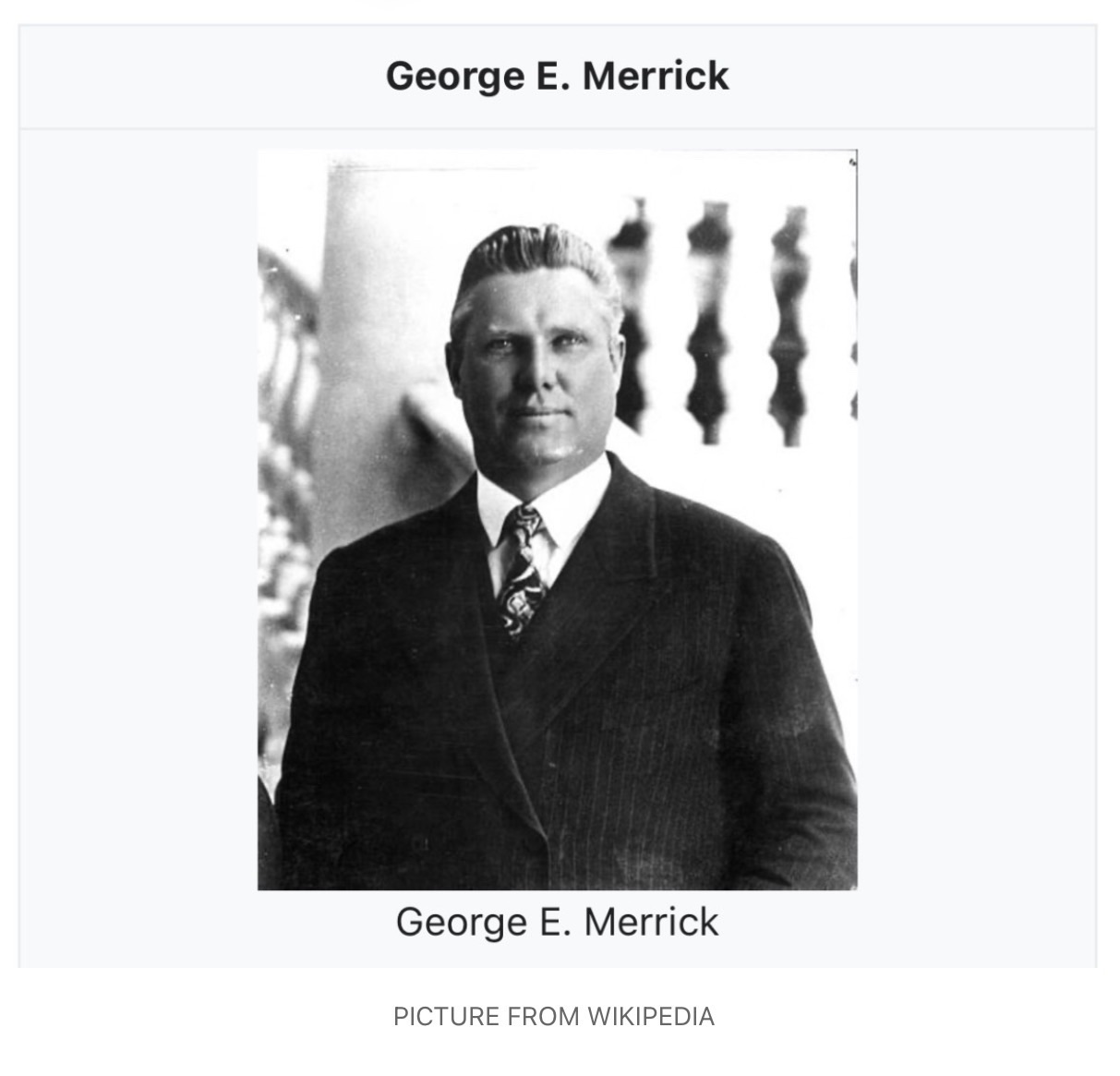
Merrick's big goal at the turn of the 20th century was to make Coral Gables an ideal paradise unlike any other in the United States. He envisioned large public areas, tree-lined boulevards, and well-planned neighbourhoods that would remind people of the beauty and sophistication of Europe's Golden Age. These ideas were based on landscape architecture and urban planning. Merrick wasn't happy with just making a city; he wanted to create a work of urban planning art that would show how powerful the human spirit is. The echo still works—it’s usually the first thing I hear from clients weighing Miami against home, questions I get into in my guide to buying property in Miami as a foreigner.
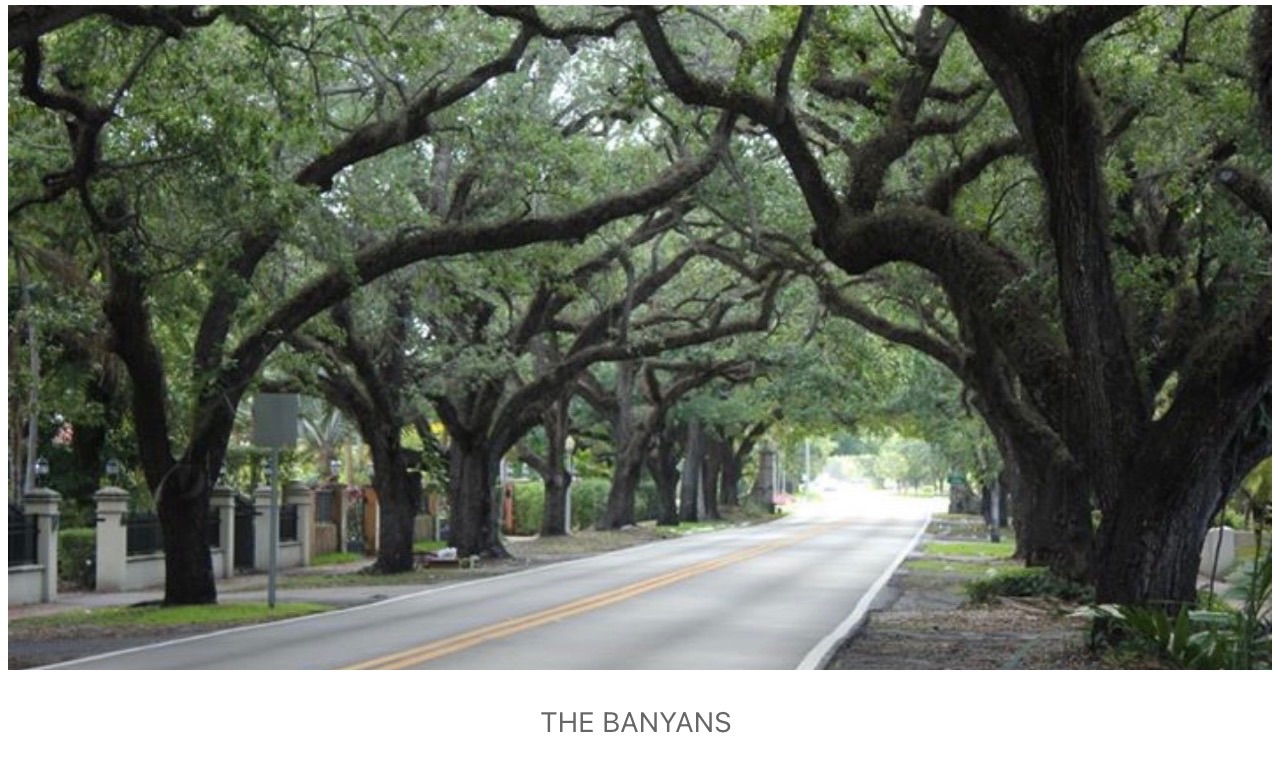
Coral Gables's banyan trees, especially those lining Coral Way, are a distinctive feature that adds to the area's verdant and historic allure. In an effort to make the city seem better, George Merrick planted these trees in the 1920s. With a penchant for the garden city concept and an eye for the Mediterranean Revival style, Merrick incorporated the banyan trees into his city design for both shade and visual appeal.
The banyans, with their enormous canopies and aerial roots, form striking archways across the streets, adding to Coral Gables' picturesqueness. These trees have grown to represent the city and its character, and they are a common source of pride for both locals and tourists.
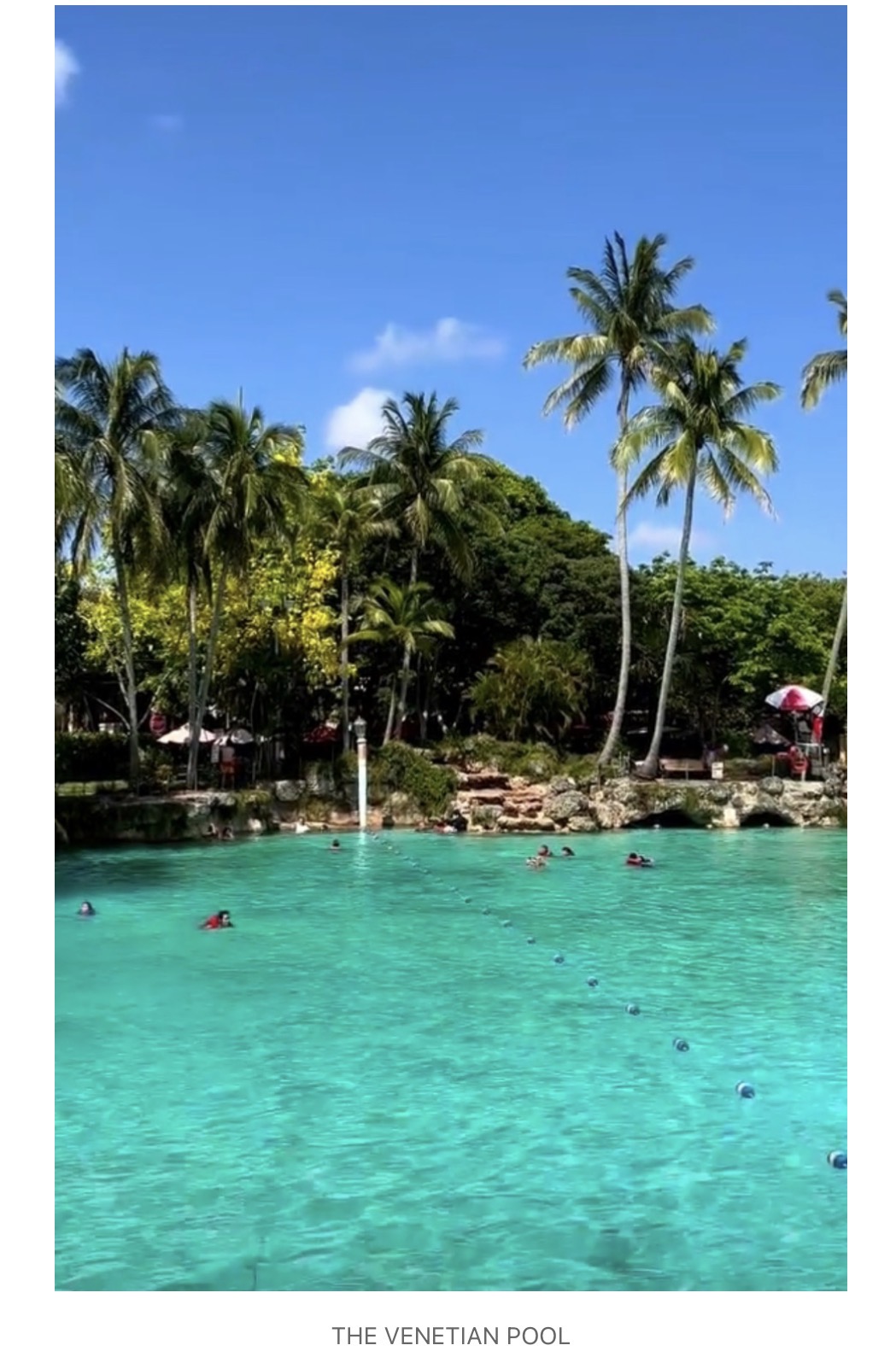
Under Merrick's watchful eye, the Venetian Pool, the Biltmore Hotel, and Coral Gables began to take shape. The Biltmore Hotel and the Venetian Pool became famous all over the world. The Mediterranean Revival style, with its red-tiled roofs, stucco exteriors, and intricate details, came to define Coral Gables' architecture. It shows Merrick's unwavering commitment to beauty.
Merrick didn't just want pretty buildings, though. He also wanted the city to be a lively culture hub where everyone felt welcome and cared for. He reached this goal by creating the University of Miami and the Coral Gables Art Cinema, two cultural centres that have had a long-lasting effect on Coral Gables' cultural life.
In Coral Gables, the streets, buildings, and public areas all show how influential George E. Merrick was. His efforts to urban planning show how creative he was. Because he was smart, a once-wild area is now a thriving city whose beauty never ceases to amaze and inspire.
Start of "Coral Gables":
The idea for Coral Gables came from George E. Merrick's imagination, insight, and good luck. The name of the city is said to have come from a talk between Merrick and a friend. That conversation would shape Coral Gables for years to come.
As Merrick and his friend walked through the beautiful scenery of the growing city, they were amazed by how many coral rocks were on the ground. It was an interesting feature that made Coral Gables stand out and told us something about the geology of the area. In a moment of inspiration, Merrick's friend said something about how common coral rock was, which started a talk that changed the course of history.
Merrick, who had a great sense of fun and a natural love for the silly, came up with the idea of putting the city's geological history into its name. So, the name "Coral Gables" was chosen because it made people think of strong, weatherproof coral rock and the classy beauty of a gabled roof. It was the right name for the city because it combined the beauty of the natural landscapes with the beauty of the man-made buildings.
Picking the name wasn't an accident; it was a deliberate move to give the city personality and bring in tourists. "Coral Gables" made people think of a tropical paradise and the Mediterranean, which made them feel relaxed and high-class. Merrick was determined to live up to the name's standards of wealth, fun, and style.
When Merrick named his new city "Coral Gables," he started a big change in city life in the United States. Coral Gables has always been a symbol of the future that Merrick saw: one that is artistic, original, and ambitious. The name of the city would come to stand for style, charm, and lasting beauty. It was built on the ideas of creativity and innovation.
Even now, the streets, buildings, and busy community of Coral Gables show how vision can last a lifetime and how simple conversation can change a person's life. The streets and parks in Coral Gables are always lit up by the sun, reminding people of the city's amazing history as they lead locals and tourists. The echoes of that sad conversation give them awe, courage, and a deep respect for the natural beauty around them.
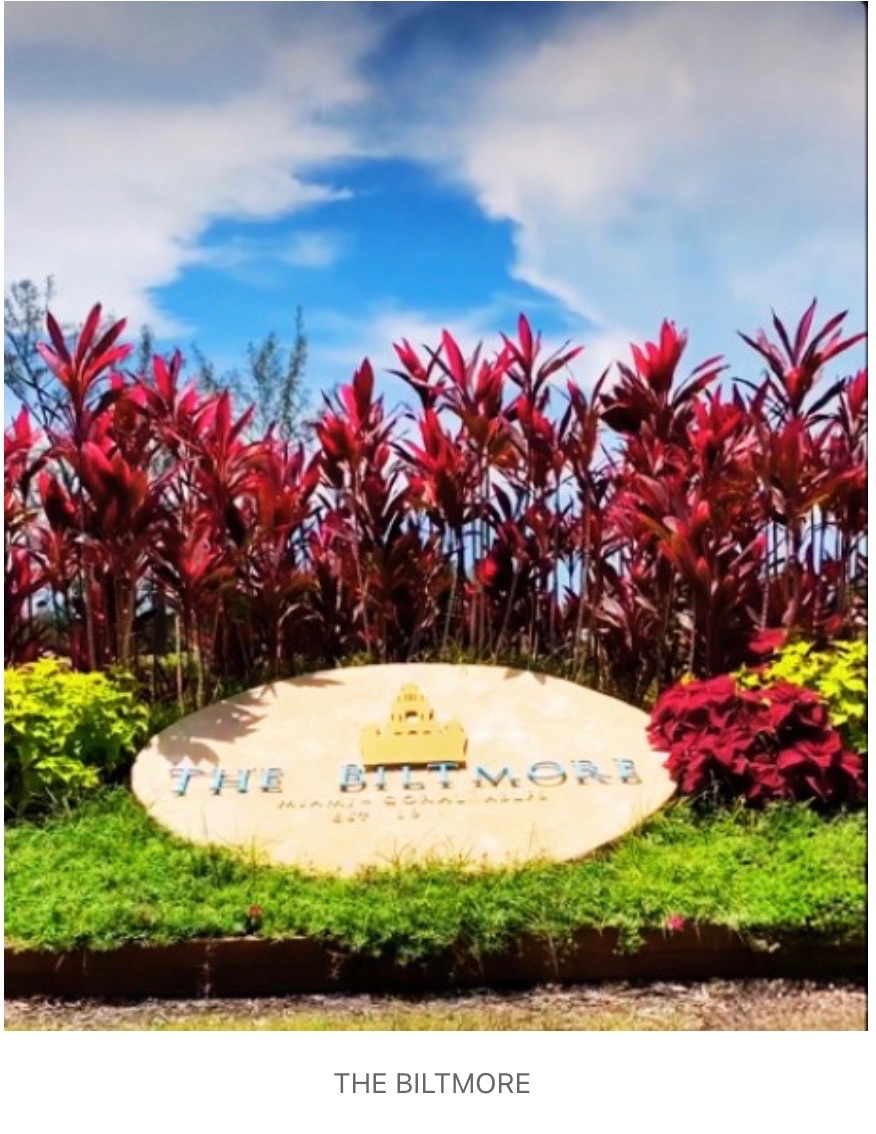
This historic place is known for its grandeur and classic beauty. It also holds many interesting facts and stories from the past. Since it opened to the public in 1926, famous builder George Merrick's masterpiece has been visited by many important people, celebrities, and even kings. The rich past and fancy furnishings of this famous building are enough to make it interesting on their own, but there is a lot more to learn about it.
During Prohibition, guests at the Biltmore Hotel might have been able to drink illegal drinks in secret at the hotel's supposed underground bar. Urban rumour has it that the place was frequented by both socialites and bootleggers because of the exciting vibe that its secret hallways and exits gave off.
During Prohibition, the famous gangster Al Capone was said to have stayed at the Biltmore Hotel to avoid the police and have a good time while he was there. There are some who even say that the hotel had a secret tunnel that led to the Coral Gables Country Club, which could have saved lives in an emergency.
It's not surprising that guests have seen ghosts and heard ghost stories at the Biltmore Hotel, which has a long and interesting history. Both visitors and workers have reported seeing ghosts and other unexplainable things. This adds to the wonder of this famous landmark.
The Spirit of the Olympics: There is the largest swimming pool in the entire United States at the Biltmore Hotel. Did you understand? The hotel's pool, which was built for the 1926 Olympics, is still a popular feature that lets guests swim or relax in style.
Relationship with Hollywood: The Biltmore Hotel, which is known for its glitz and luxury, has been the setting for many films and TV shows over the years. The traditional beauty of the hotel has been used in a huge number of films, from old favourites to the newest hits, and the result has been stunning for everyone.
The luxurious and rich styling of the Biltmore Hotel has been an inspiration to artists, writers, and singers for a long time. In 1941, the famous artist Salvador Dalí held a surrealistic ball in the hotel rooms, which were turned into a beautiful dreamscape of costumes and creativity.
The Biltmore Hotel is a stunning example of the Mediterranean Revival style, which shows how skilled the people who designed and built it were. The hotel has a classic, grand feel thanks to its intricate tile work, rich details, and famous tower.
Gourmet Pleasures: You foodies should feel better! The Biltmore is one of the most prestigious hotels in Miami, and it has a number of world-class restaurants, including the highly regarded Palme d'Or. People can enjoy delicious French food in a classy setting that makes them feel like they're in a different time.
Many important people, including politicians and Hollywood stars, have been seen at the Biltmore Hotel. The hotel has been the site of many memorable moments and events with famous people, from big parties to small get-togethers.
Classical Grace: The Biltmore Hotel has been a sign of unmatched class, grace, and classic charm for a long time. This famous site will give you a memorable experience whether you choose to relax by the pool with a drink, walk through its historic halls, or just take it all in.
Here are some ideas for more reading about Coral Gables:
Pieces of writing:
A show at the Coral Gables Museum called "Coral Gables: The City Beautiful" This page tells you about Coral Gables's history, architecture, and society.
The Biltmore Hotel in Coral Gables, Florida, has been featured in several movies and television shows over the years. Notable appearances include:
- "Bad Boys" (1995) - This action film starring Will Smith and Martin Lawrence used the hotel as one of its filming locations.
- "The Specialist" (1994) - A thriller featuring Sylvester Stallone and Sharon Stone.
- "Absence of Malice" (1981) - A drama starring Paul Newman and Sally Field.
- "CSI: Miami" - The popular TV series used the Biltmore Hotel for various episodes.
- "Miami Vice" - The iconic 1980s TV show also featured the hotel in its episodes.
- "Shock Waves" (1977) - A horror film that included scenes shot at the hotel (Wikipedia) (WLRN).
These films and shows have utilized the Biltmore's historic and luxurious backdrop to enhance their settings, contributing to the hotel's status as a notable location in popular culture.
Further Reading
"Discovering Coral Gables: A Brief History" by the Miami Historical Society. A short history of how Coral Gables came to be and how it has changed since then.
Read Visit Florida's "Exploring the Venetian Pool in Coral Gables" to learn about the famous pool and why it's important to the people who live there.
Seth Bramson's book "Coral Gables: Miami Riviera" tells the story of how the busy town of Coral Gables got started and how it has grown since then.
"Coral Gables: An Illustrated History" by Arva Moore Parks has a bunch of pictures and drawings that show the past of Coral Gables.
George Merrick was the dreamer who planned the growth of Coral Gables. "George Merrick, Son of the South Wind: Visionary Creator of Coral Gables" by Arva Moore Parks tells more about his life and impact.
"The Biltmore: A Miami Landmark" by Beth Dunlop talks about the famous Biltmore Hotel in Coral Gables and its historical and artistic importance.
These sites should help you learn more about Coral Gables's interesting past. Have fun looking around!
Rabia Mohad Ep Roig
CIPS ADVISER ( CERTIFIED INTERNATIONAL PROPERTY SPECIALIST)
WE SPEAK FRENCH ENGLISH SPANISH AND ARABIC
https://rabiaroig.mybeachfrontrealty.com/
Categories
- All Blogs (22)
- Buying & Investment Guides (2)
- Coral gables (1)
- FLORIDA (5)
- foreign investment (1)
- Fort Lauderdale (1)
- Globalconflict (1)
- HISTORY (4)
- Homestead Florida (1)
- HUMOUR (1)
- INFO (5)
- investment (5)
- KEY BISCAYNE (1)
- Lifestyle & Culture (3)
- Lifestyle real estate (3)
- Market Intelligence (12)
- Miami (6)
- Miami-Dade Communities South Miami (2)
- Neighborhoods & Local Guides (10)
- REALESTATE (10)
- south Florida Neighborhoods (2)
- Things to do in Homestead (1)
- TOURISM (4)
Recent Posts
