
Homestead, Florida: The Town That Refuses to Be Forgotten
Homestead, Florida: The Town That Refuses to Be Forgotten
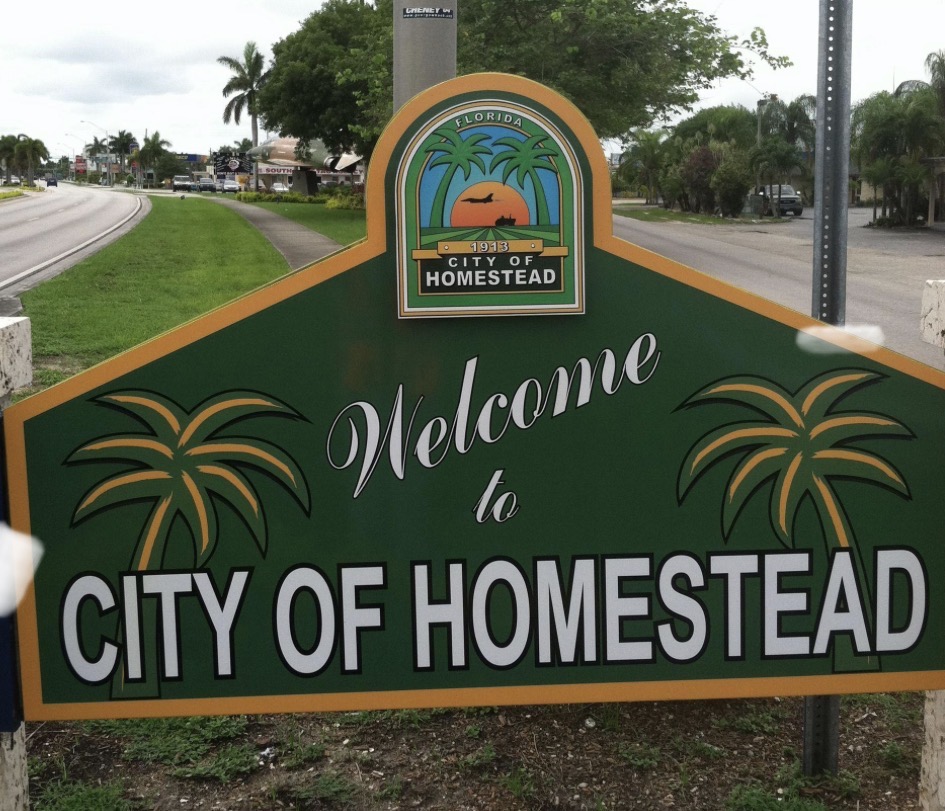
There's a moment, somewhere around the last exit of the Florida Turnpike, when Miami's skyline shrinks in your rearview mirror and the road ahead opens up into something you weren't expecting. The strip malls thin out. The air changes. You catch a whiff of something tropical — maybe mango, maybe guava, maybe just the Everglades breathing — and you realize you've crossed an invisible line. You're in Homestead now. And Homestead doesn't ask for your attention. It earns it.
Most people treat this place like a highway marker: Everglades this way, Keys that way, keep driving. That's a shame, because the ones who stop — the ones who actually look around — discover a town with more soul per square mile than just about anywhere else in South Florida. It's a place where a heartbroken Latvian immigrant once moved mountains with his bare hands for a girl who left him at the altar. Where Henry Flagler's railroad workers built a city out of nothing and then just... stayed. Where the soil is so rich it turns copper-red and grows fruits you've never even heard of. Where two national parks frame the town like a painting, one full of sawgrass and silence, the other shimmering with coral reefs and impossible blue water.
This is Homestead. Let me tell you about it properly.
A Town Born From a Train
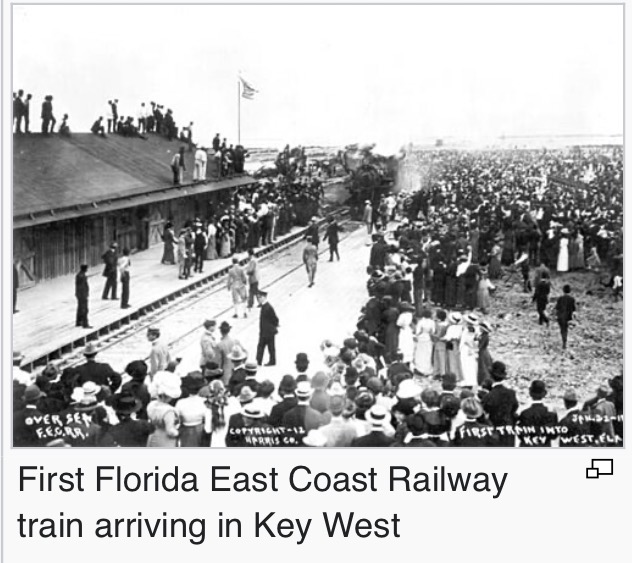
The story of Homestead begins, as so many Florida stories do, with Henry Flagler and his railroad. In the late 1800s, Flagler — the Standard Oil magnate who essentially invented modern Florida — decided to extend his Florida East Coast Railway all the way down to Key West. To do that, he needed a station about thirty miles south of Miami. His vice president suggested naming it "Ingraham," after the company's own land commissioner. The land commissioner, a man of admirable humility, declined the honor. He suggested "Homestead" instead, even though, as the official city records note with a kind of dry amusement, nobody had actually homesteaded there yet.
The name was prophetic. In 1898, the federal government opened the South Dade area to settlers. The only way in or out was a muddy path through the wilderness called the Homesteaders' Trail. No roads. No comforts. Just land and possibility — which, for a certain kind of person, has always been enough.
When Flagler's railway finally pushed through in 1904, everything changed. Suddenly, farmers could ship their winter vegetables and tropical fruits north to Miami and beyond. The workers who'd laid those tracks looked around at the fertile red earth, felt the warm breeze off Biscayne Bay, and made a decision: they weren't leaving. In 1913, they incorporated the Town of Homestead with a population of 121 people and 28 registered voters. The second oldest city in Miami-Dade County was born.
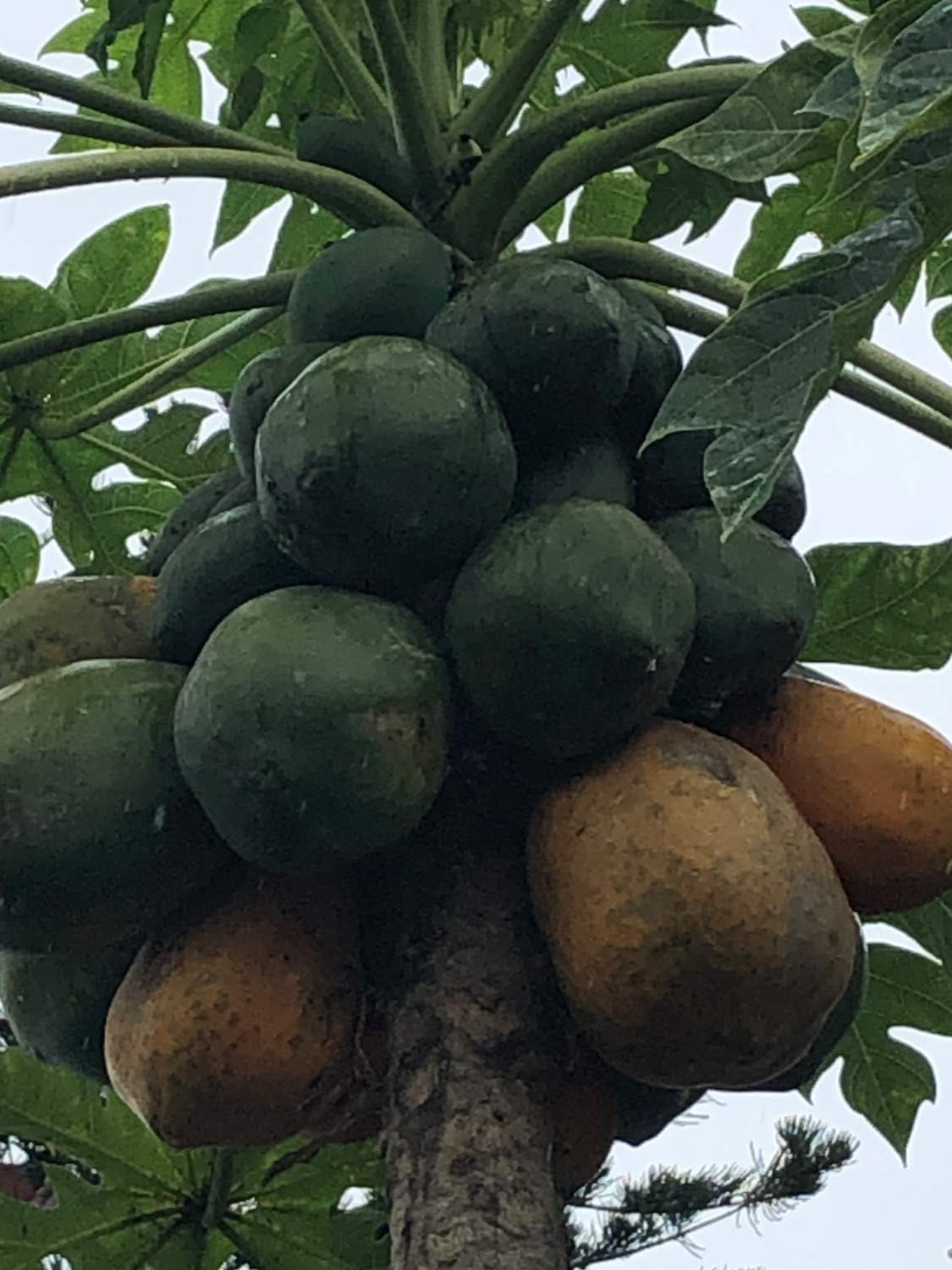
Those early settlers found something remarkable in the soil of what they called the Redland — a stretch of agricultural land named for the distinctive copper-red clay that stained their boots and their hands. That same soil, iron-rich and impossibly fertile, would go on to produce avocados, lychees, papayas, star fruit, and varieties of mango that perfume an entire county when they ripen in summer. The Redland didn't just feed families. It fed the imagination.
The Hurricane That Couldn't Kill It
If Homestead has one defining characteristic, it's resilience. This is a town that has been leveled — more than once — and rebuilt every single time with something approaching stubbornness.
The Great Hurricane of 1926 tore through South Florida and shredded the real estate boom of the era. Banks failed. People left. Flagler's Overseas Railway was destroyed. The Labor Day Hurricane of 1935 finished the job on the railroad, washing away what remained of the tracks to Key West. And then, on August 24, 1992, Hurricane Andrew arrived.
Category 5. Maximum sustained winds of 165 miles per hour. The kind of storm that doesn't just damage a place — it erases it. Andrew hit Homestead and the surrounding communities directly, and the destruction was almost incomprehensible. The Homestead Air Force Base was demolished. Entire neighborhoods ceased to exist. The images that circled the world looked like a war zone, not a Florida suburb.
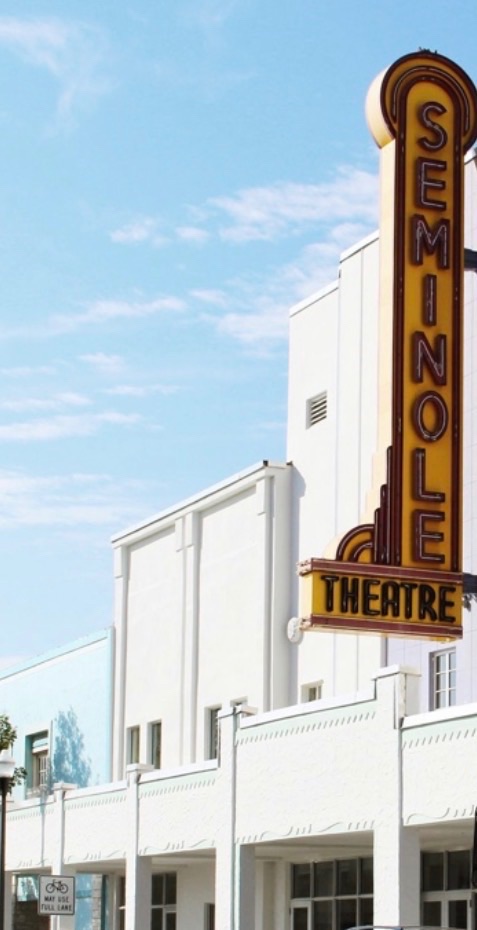
And yet. Within months, the people of Homestead were already rebuilding. Not just their houses — their historic downtown, their businesses, their community identity. They rebuilt the Seminole Theatre, a gorgeous 1921 Art Moderne landmark on Krome Avenue that serves today as a cultural heartbeat for the city. They restored the old buildings, preserved the historic district, and came back stronger. Andrew didn't define Homestead. What came after did.
Building codes changed after Andrew, and they have kept changing since — Miami-Dade now writes some of the toughest wind and flood standards in the country, a lineage you can trace straight through to the eco-conscious construction going up elsewhere in the county today.
The Man Who Moved Mountains for Love
Here is where the story of Homestead gets genuinely strange, and wonderful, and completely impossible to explain.
His name was Edward Leedskalnin. He was a Latvian immigrant, five feet tall, barely a hundred pounds, with tuberculosis in his lungs and a broken heart that apparently had no cure. In the early 1900s, back in Latvia, he had fallen in love with a sixteen-year-old girl named Agnes Scuffs — his "Sweet Sixteen," he called her. They set a wedding date. And then, one day before the ceremony, Agnes called it off.
Leedskalnin came to America. He settled first in Florida City and began a project that would consume the next twenty-eight years of his life: a monument to the girl who left him. Alone. At night. With primitive tools — chisels, picks, and hammers — and methods he refused to explain to anyone.
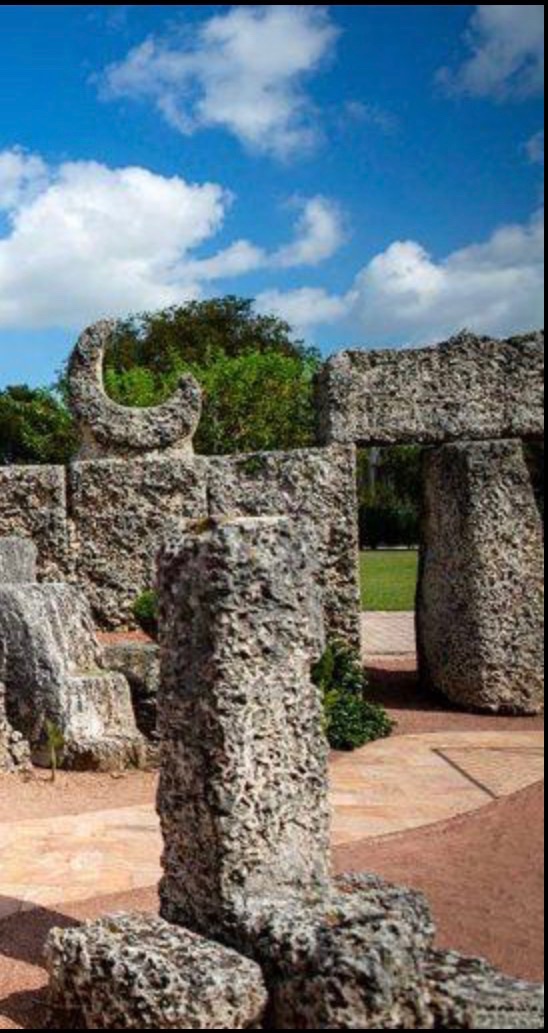
He quarried, carved, and moved more than 1,100 tons of oolite limestone. He sculpted a nine-ton gate balanced so perfectly on its axis that it swung open at the touch of a single finger. He carved throne-like rocking chairs from solid rock. He built an obelisk, a sundial, a telescope aligned to the North Star, and a heart-shaped table in what he called his Feast of Love room. He worked by moonlight, alone, while his neighbors camped outside trying to catch a glimpse of what he was doing. No one ever did.
When he worried that the growth of Florida City might encroach on his creation, he moved it — all of it — ten miles north to Homestead. It took him three years.
Engineers who have studied the Coral Castle, as it came to be known, have compared his methods to those used at Stonehenge and the Egyptian pyramids. Leedskalnin himself offered only a cryptic hint: he claimed to have discovered the secrets of the ancient builders, the laws of weight and leverage that modern men had forgotten. One neighbor who peeked through a gap in the fence reportedly saw the stones "floating." That account is unverified. The stones, however, are very much real.
Today, the Coral Castle stands on South Dixie Highway in Homestead as one of the most extraordinary and unexplained structures in the United States. It is America's most poignant monument to unrequited love — carved from the earth by a lonely man in the Florida moonlight, stone by impossible stone.
You can visit it on any given afternoon. You will leave with more questions than you arrived with.
Between Two Worlds: The Parks That Frame Everything
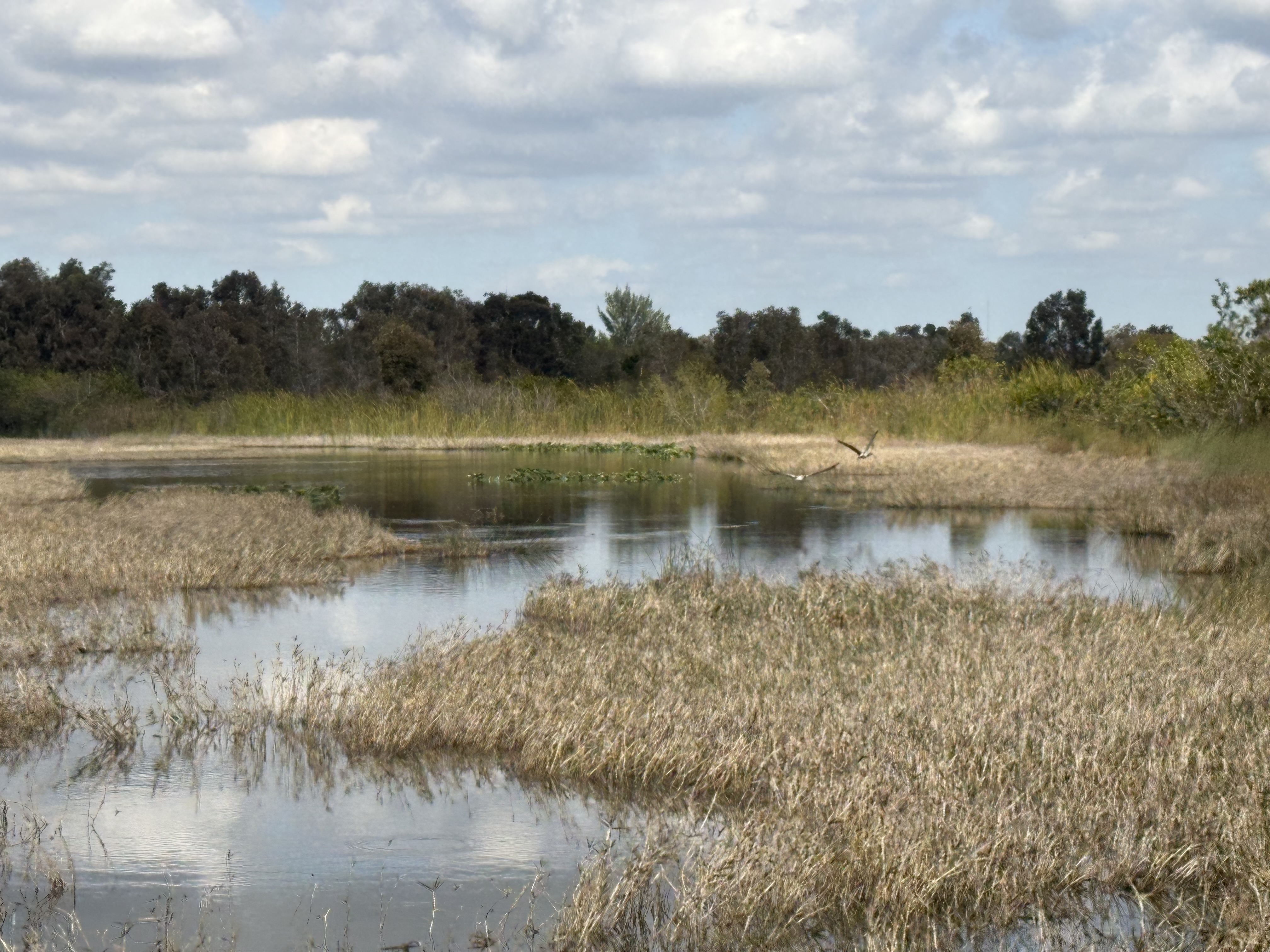
Stand in the center of Homestead and look west. That's the Everglades — 1.5 million acres of sawgrass prairies, cypress domes, mangrove tunnels, and silence so deep it has a sound. A UNESCO World Heritage Site. The largest subtropical wilderness in North America. It begins, essentially, at Homestead's back door. The city is officially its gateway.
Now turn east. That's Biscayne National Park — 270 square miles of aquamarine water, 95 percent of it submerged, protecting the northernmost living coral reef in the continental United States. You can kayak through mangrove tunnels in the morning and snorkel over elkhorn coral in the afternoon, all within twenty minutes of downtown Homestead.
No other city in Florida — arguably no other city in the country — sits between two national parks like this. It's not a geographic coincidence. It's a positioning that shapes everything about how Homestead feels: unhurried, connected to the land, slightly outside of ordinary time. The kind of place where people come to get away from something and end up never quite wanting to leave.
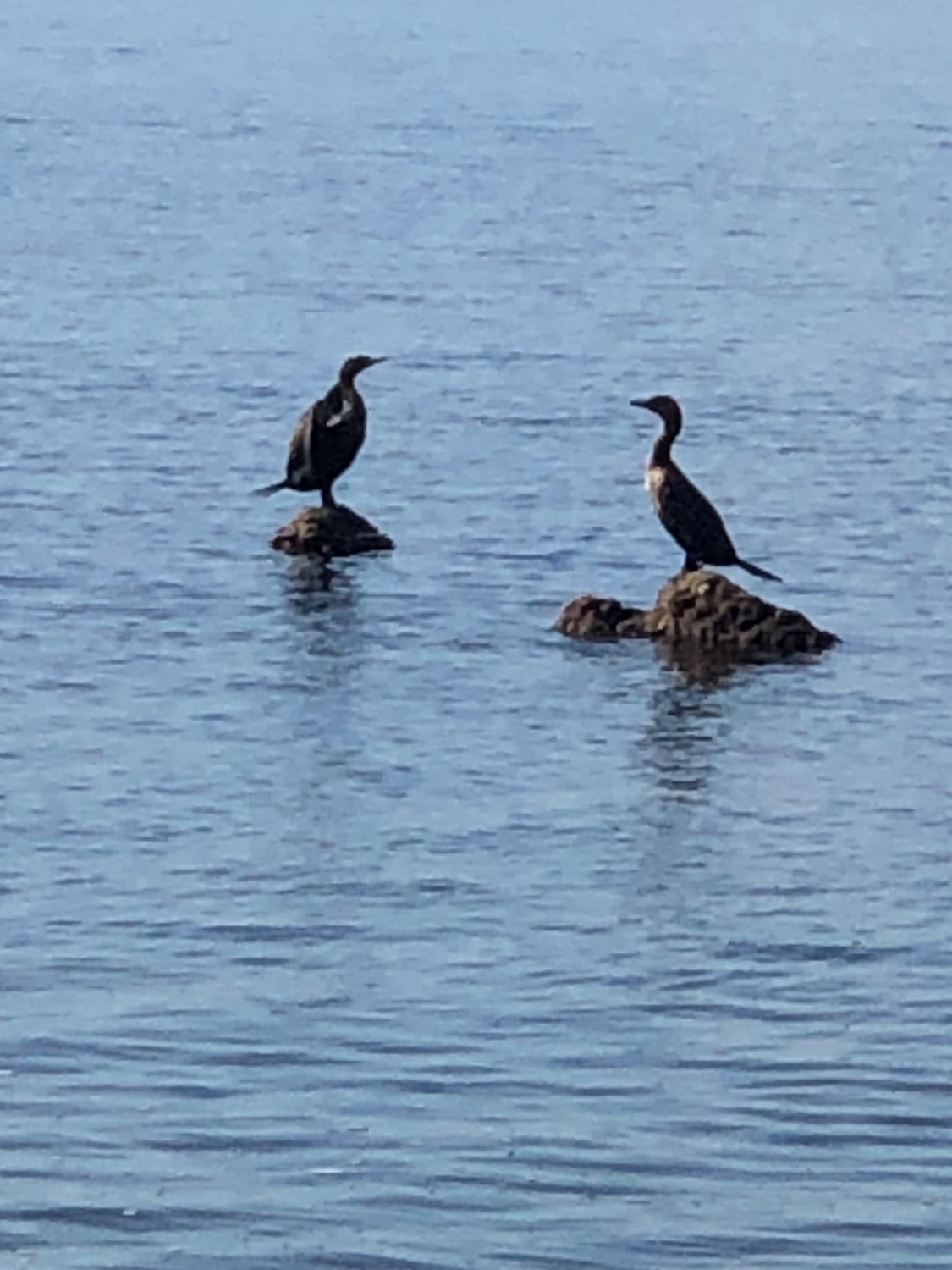
The Redland: Where the Earth Gives Everything
North of Homestead, stretching through unincorporated Miami-Dade, lies the Redland — and if Homestead is the soul of South Dade, the Redland is its pantry, its laboratory, and its love letter to the natural world.
The name comes from the color of the soil: iron-rich, copper-red earth that farmers discovered when they first broke ground here over a century ago. That soil grows things you won't find growing anywhere else in the continental United States. Carambola. Lychee. Longan. Dragon fruit. Dozens of mango varieties — Keitt, Kent, Haden, Tommy Atkins — that fill the summer air with a sweetness that might genuinely alter your mood. The Redland has also become, of all things, a world center for orchid cultivation. Miles of greenhouses along the canal roads produce blooms that end up in florists' shops from New York to Tokyo.
The Fruit & Spice Park, a 37-acre botanical garden on SW 187th Avenue, holds over 500 varieties of exotic fruit, nut, and spice trees from around the world. It is, essentially, a living encyclopedia of edible plants — and you're allowed to eat whatever falls on the ground. Few places on earth combine so much beauty with so much flavor.
And then there's Robert Is Here. This fruit stand has been a local legend since 1959, when a six-year-old named Robert Moehling sat at a roadside table selling cucumbers from his father's farm so they wouldn't go to waste. Today, Robert Is Here is an institution — a cornucopia of tropical fruit, milkshakes made with flavors you've never encountered (black sapote, mamey, soursop), and a small menagerie of farm animals that delights children and adults with equal efficiency. If you pass through Homestead and don't stop at Robert Is Here, you have made a navigational error of some significance.
Every weekend, the Redland Farmers Market draws locals and visitors into a genuinely joyful chaos of fresh produce, organic honey, local art, kombucha, live music, and international food that reflects the extraordinary cultural mix of this corner of South Florida. Cuban, Mexican, Haitian, Caribbean — the flavors of Homestead's community are all here, shoulder to shoulder in the morning sun.
A Downtown That Actually Means Something
Krome Avenue is Homestead's main street, and it is not trying to be anything other than what it is. There are no chain boutiques here, no manufactured "heritage" districts dressed up for tourists. What there is: the Seminole Theatre, a 1921 landmark that still hosts live performances and community events. A stretch of antique shops where you might find an original Florida land deed or a piece of coral rock carved into something you can't quite identify. The Alsobrook Arcade, built in 1924 by a wealthy real estate speculator from Dania, still standing — now home to a dance studio. And the Homestead Historic Town Hall Museum, where the photographs on the walls show you what this place looked like before Andrew, before the highway, before everything.
In 2021, Homestead opened the world's first Cybrarium in its downtown — a cyber library with a state-of-the-art virtual reality cube, a children's theatre, a makerspace with 3D printers, and a full collection of physical and digital resources. It is, in every sense, a town library for the 21st century, and it sits in a historic downtown that still smells faintly of the past. That combination — old bones, new ideas — is very Homestead.
The Races, the Rockets, and the Cold War
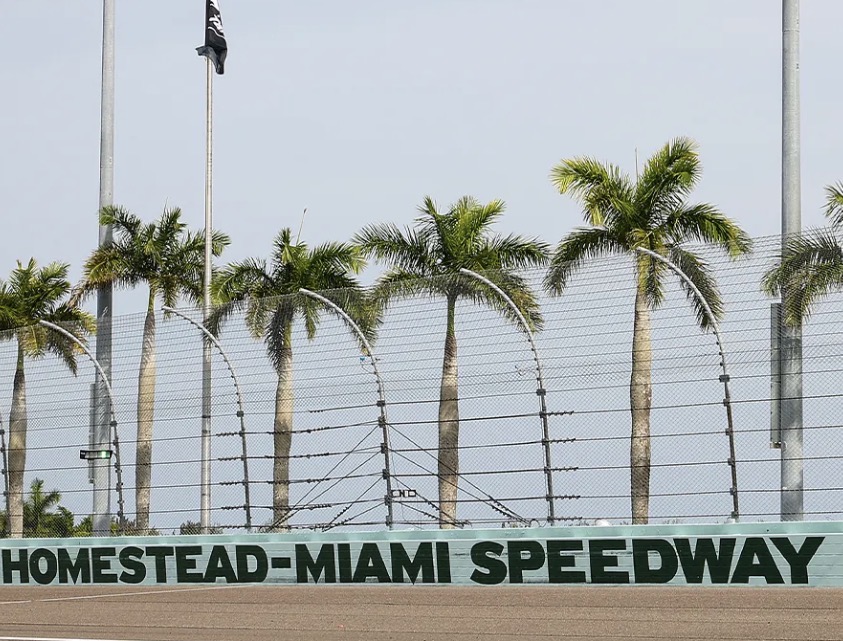
Not everything about Homestead is pastoral. The Homestead-Miami Speedway draws NASCAR's biggest races each November, filling the city with a roar of engines and the particular electricity of motorsport. The speedway is a legitimate economic engine for the area and brings a different kind of energy to a community better known for its quiet farms and national parks.
For families priced out of Kendall’s more built-up grid, that quiet is increasingly the draw. Land still stretches further out here, even as prices climb across the rest of the county.
Less celebrated, but perhaps more fascinating, is HM-69 — the Nike Missile Base tucked into the Everglades just south of the city. Built in 1965 at the height of the Cold War, this military installation housed Nike Hercules missiles aimed at protecting South Florida from Soviet aircraft coming in from the Caribbean. About 140 soldiers were stationed here during the Cuban Missile Crisis, finger on the trigger of weapons designed to intercept bombers over the Everglades. The base was decommissioned in 1979 and left almost entirely untouched. Today it stands as a remarkably preserved relic of the most dangerous decade in American history. You can walk through the missile barns. You can stand where those soldiers stood. It is eerie in the best possible way.
What It Means to Live Here
People who live in Homestead will tell you, often unprompted, that they can't imagine leaving. The reasons vary. Some talk about the space — the room to breathe, the large lots, the absence of the claustrophobia that comes with living closer to Miami. Some talk about the community, which is diverse in a way that feels organic rather than curated: Cuban, Mexican, Haitian, Bahamian, Anglo, all layered together through generations of shared harvests and shared storms. Some just point south and say: the Keys are twenty minutes away. Which is, frankly, a convincing argument on its own.
The real estate market here offers something increasingly rare in South Florida: genuine affordability without sacrifice of quality of life. Compared to Miami, Coral Gables, or even Kendall, Homestead offers substantially more home for the money — larger lots, newer constructions after Andrew's clean sweep, a range of options from starter homes to sprawling agricultural estates in the Redland. The proximity to two national parks, the Florida Keys, and Miami proper makes it a location that is, by any objective measure, dramatically undervalued relative to what it actually delivers.
Investors have noticed. Families priced out of coastal communities have noticed. The question isn't whether Homestead is worth it. The question is how much longer it stays this accessible.
For Further Exploration
Coral Castle Museum — 28655 S Dixie Hwy, Homestead, FL 33033
Fruit & Spice Park — 24801 SW 187th Ave, Homestead, FL 33031
Robert Is Here Fruit Stand — 19200 SW 344th St, Homestead, FL 33034
Everglades National Park (Ernest F. Coe Entrance) — 40001 State Road 9336
Biscayne National Park Visitor Center — 9700 SW 328th St, Homestead, FL 33033
Seminole Theatre — 18 N Krome Ave, Homestead, FL 33030
Homestead Historic Town Hall Museum — 41 N Flagler Ave, Homestead, FL 33030
HM-69 Nike Missile Base — 40001 State Road 9336, Homestead, FL 33034
Redland Farmers Market — SW 187th Ave & SW 280th St, Homestead
Homestead is the kind of place that rewards the curious and punishes the impatient. Come slow. Stay longer than you planned. Eat a mamey milkshake at Robert Is Here and watch the light change over the Everglades at dusk. You'll understand what I mean.
Categories
- All Blogs (22)
- Buying & Investment Guides (2)
- Coral gables (1)
- FLORIDA (5)
- foreign investment (1)
- Fort Lauderdale (1)
- Globalconflict (1)
- HISTORY (4)
- Homestead Florida (1)
- HUMOUR (1)
- INFO (5)
- investment (5)
- KEY BISCAYNE (1)
- Lifestyle & Culture (3)
- Lifestyle real estate (3)
- Market Intelligence (12)
- Miami (6)
- Miami-Dade Communities South Miami (2)
- Neighborhoods & Local Guides (10)
- REALESTATE (10)
- south Florida Neighborhoods (2)
- Things to do in Homestead (1)
- TOURISM (4)
Recent Posts

